
Without shelter: housing policy in wartime
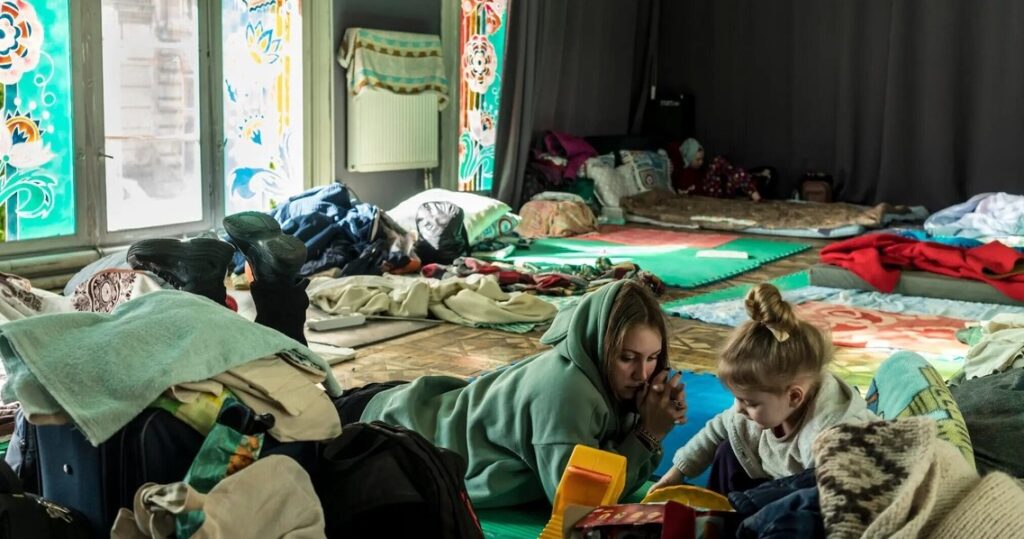
"The realtor said that today there were more than 300 requests, with only 5 apartments successfully found." "We searched all over the Lviv oblast, nothing came out in Lviv, but we managed to find an apartment in Lutsk, so we are heading there." "I will probably have to return to Kharkiv." I hear similar words […]
To Help Ukraine, Cancel Its Foreign Debt
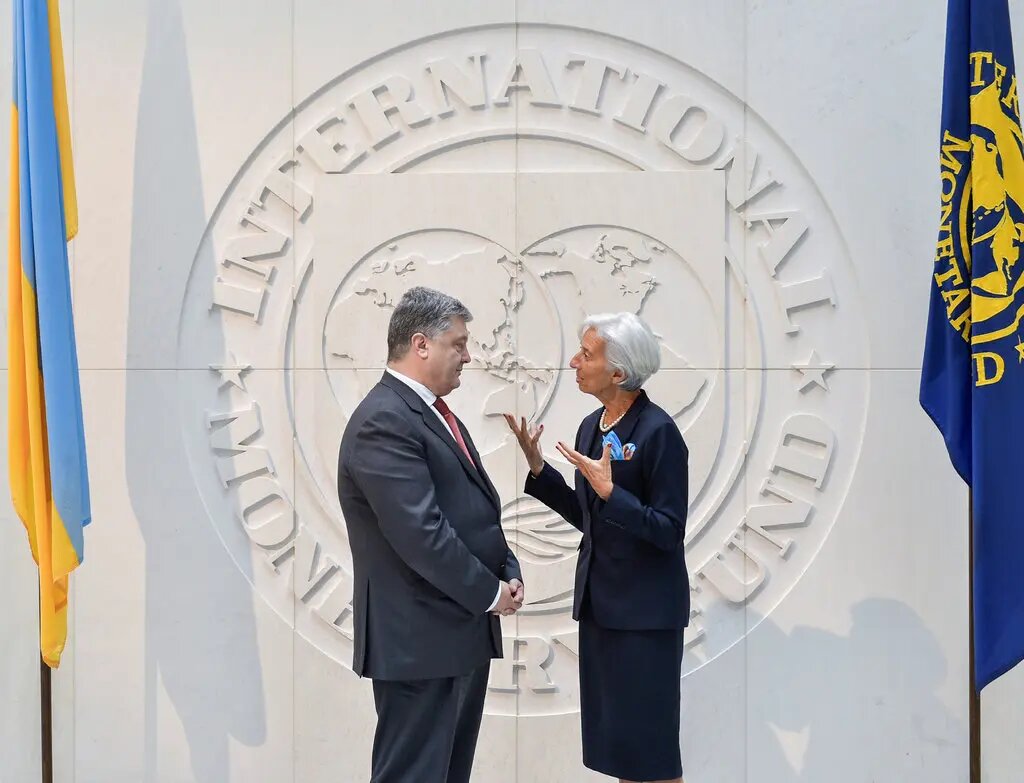
In recent days, numerous governments have announced financial as well as military support for Ukraine, as it faces a devastating Russian invasion and an exodus of refugees already counting well over 1.5 million. Such reliance on outside help is not new. Since the 1990s Ukraine’s economy has lagged badly behind other former Eastern bloc countries, […]
Why is the world divided into poor and rich countries?
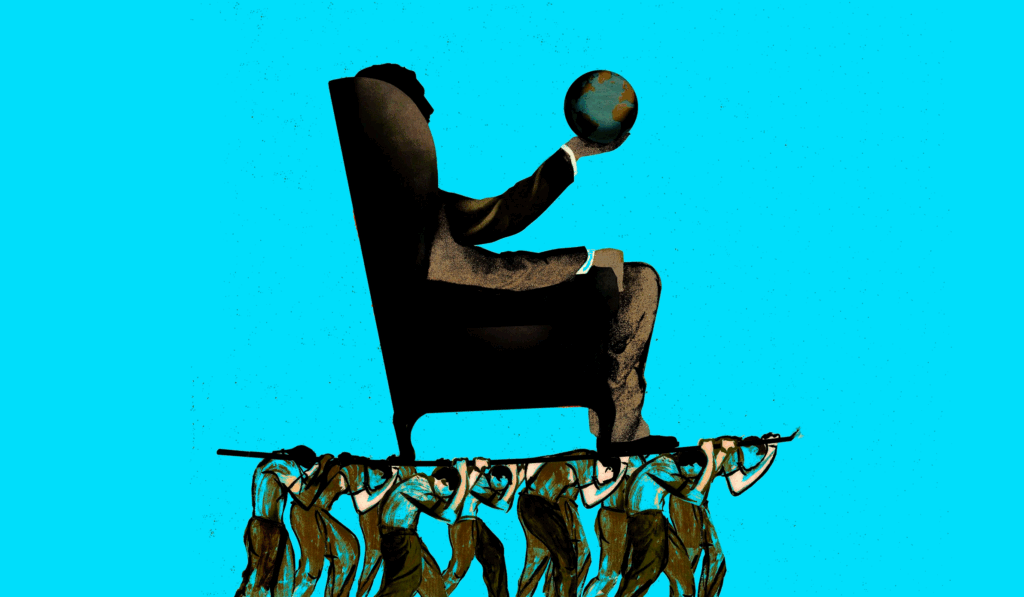
This essay will explain why it is that despite historically unprecedented globalization of free trade, the rich countries remain rich, while the poor countries remain poor. Beginning here, and more closely in future article,we will use a theoretical perspective derived from the work of the Marxist economist Arghiri Emmanuel to analyze the history and present […]
Legislating Land Reform in Ukraine

Following the collapse of the Soviet Union in the early 1990s, newly independent Ukraine carried out a land reform designed to abolish the collective farm system and distribute land among the peasants, laying the foundation for the development of a private economy. But in 2001, fearing the possible consequences of launching a land market, the […]
The Land Question: land concentration and the agricultural land moratorium in Ukraine

Mykhailo Amosov For almost 30 years, the question of land reform has occupied Ukrainians. Currently, this stalemate seems irreversible. This article considers what has been happening with regards to the ‘land question’ over the past 30 years, where we stand today, and what to expect in the future. Land during Soviet times From 1921 until […]
Kryvyi Rih: wages and democracy
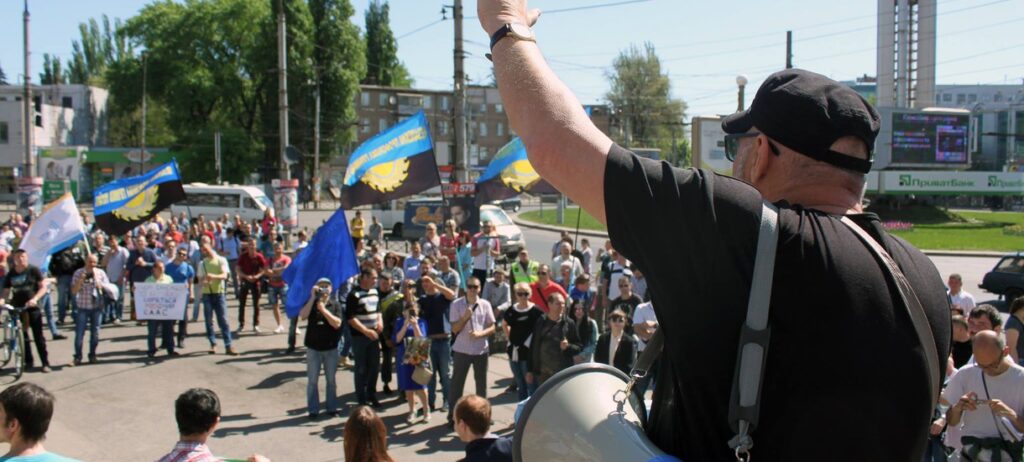
Maksym Kazakov Ukraine’s mining and metal industry was constructed largely in the era of fulfilled (and over-fulfilled) five-year plans. After Ukraine gained independence in 1991, these factories and mines played (and continue to play) no less a role than in the Soviet state. Today, every school student in Ukraine has to know about the shortcomings […]
Export of raw materials as a national idea and replenishing the state’s budget
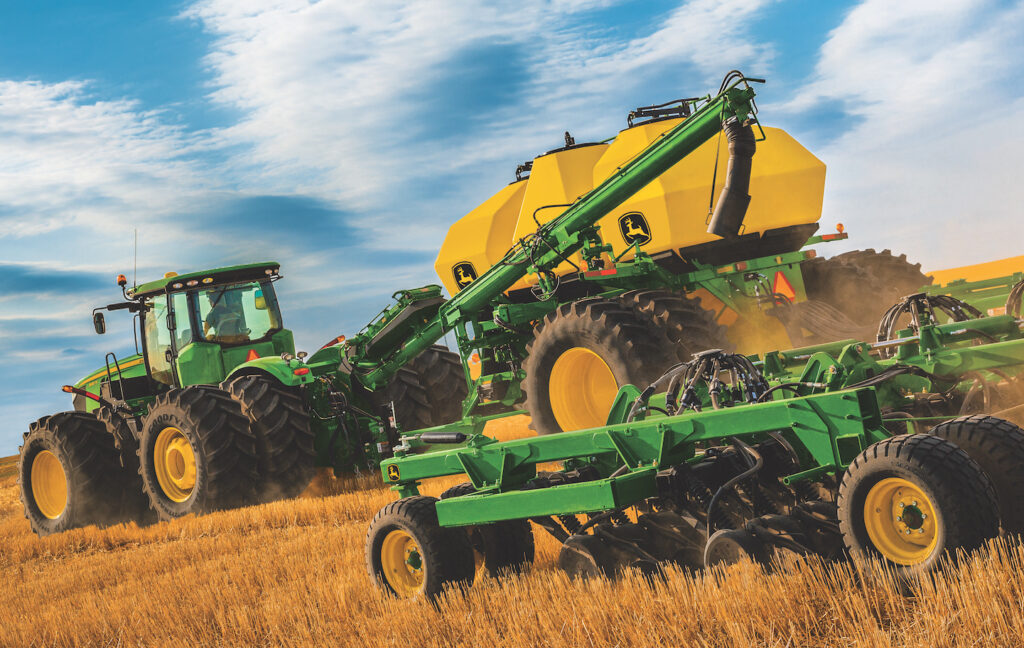
Since the beginning of Ukraine’s independence, agriculture has been seen as the new backbone of the country’s economy. The fertility of ‘chernozem’ was supposed to provide the Ukrainian market with food products and, furthermore, accumulate resources for the development of other sectors of the economy. Indeed, the industry is steadily heading towards first place in […]
New technology and global inequality
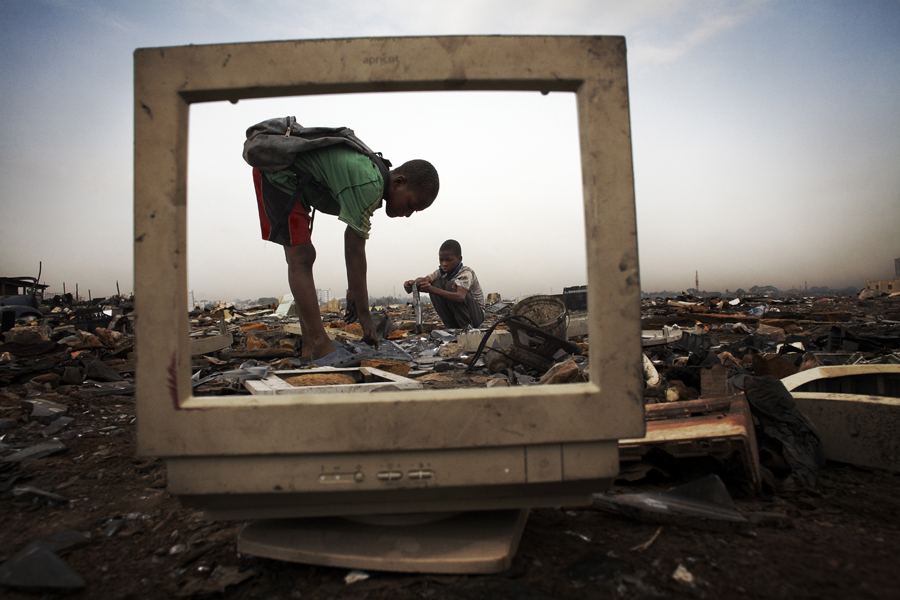
This article was written as part of the work of the economic department of Center for Social and Labor Research. New opportunities, old inequalities Factories without workers, bullet trains and subways without drivers, robot cleaners and smart houses, multifunctional gadgets and 3D printers, electronic marketing, freelancing and sharing economy[i]. Today’s world is getting closer to […]
European Association: two years later
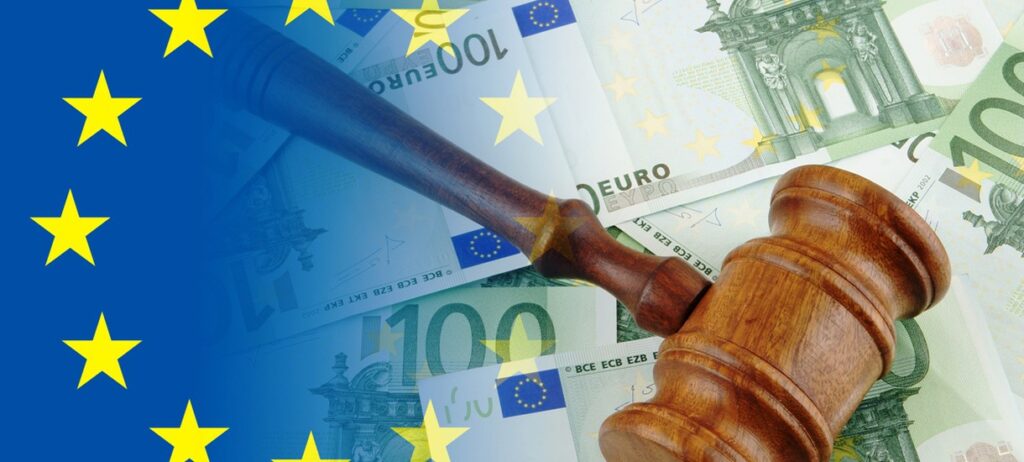
In our economic analysis of changes that are taking place in Ukraine since 2013, we need to pay special attention to the consequences of Ukraine’s free trade agreement with the EU. In this article we test the assumptions about economic threats to our country’s development, related to the unequal nature of the abovementioned agreement. We […]
Changes in the Ukrainian economy after the Maidan
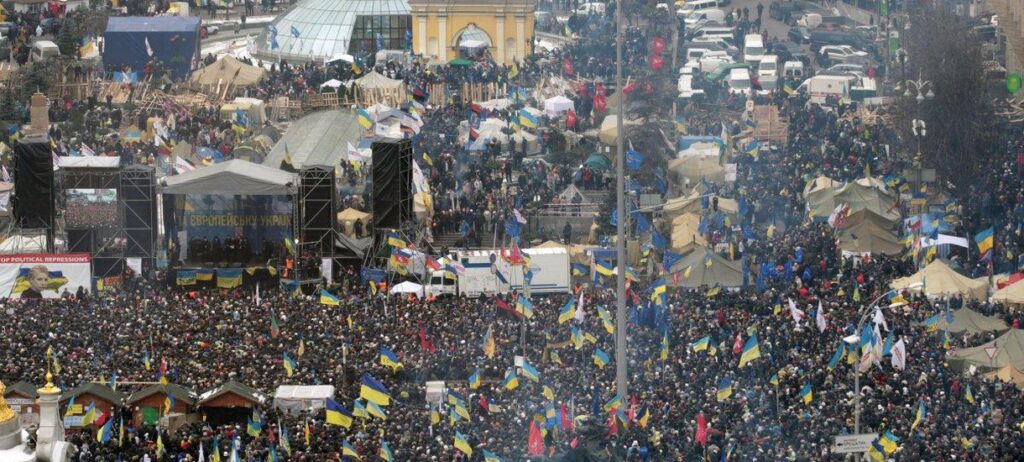
Those Ukrainians who feel optimistic, can celebrate the growth of the national economy. The State Statistics Service of Ukraine has finally reported that the gross domestic product exceeded the level of the first quarter of 2015 by 0.1%. This is a remarkable achievement, and the Ukrainian media are highlighting it as a confirmation of the […]

