
Sub-Imperialist positioning, not “anti-colonial consciousness,” behind the neutrality of reactionary elites in the Global South

Time and time again, we have been told that ‘the Global South’ – ie, the developing world consisting largely of former colonies – does not support Ukraine’s resistance to Russia’s barbaric colonial invasion, or is even supportive of Russia. According to this rendition of reality, support for Ukraine is entirely a project of the imperial […]
Drifters in the Making: Labour Migration from Serbia and the (Re)production of (Trans)national Inequalities

Sourcing labour from Serbia has never been easier. But the recruitment channels are not managed or monitored. With fake information circulating and actors willing to profit from migration flows, Serbian labour migrants are in danger of over-exploitation. Nevertheless, many people want to leave Serbia because they are fed up with a system that has […]
Citizenship and Exclusion in Contemporary Hungary

Since the so-called ‘migration crisis’ in 2015, Hungarian Prime Minister Viktor Orbán has become a key figurehead of an ultra-conservative and illiberal European right.[1] This politics is anchored in virulent anti-immigration positions and fierce discourses targeting the European Union (EU), which is pictured as incapable of “protecting Europe and its civilisation” from the “threat" […]
From ‘Bothsidesism’ to Solidarity with Ukraine: The Japanese Left Responds to the Russo-Ukrainian War
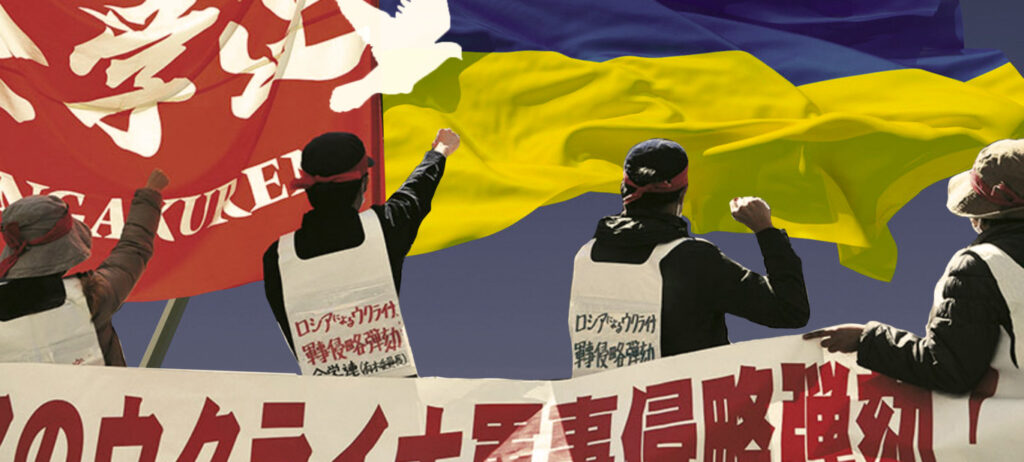
In May last year 28 German intellectuals published an open letter in the feminist journal Emma calling on Chancellor Gerhard Scholz to refrain from sending heavy weapons to Ukraine, and to help negotiate a ceasefire in the Russo-Ukrainian war. The letter expressed anti-war convictions dear to older German progressives, invoking Germany’s “historic responsibility” to […]
War and class: Lessons for Ukraine and Russia through the Lens of the Breakup of Yugoslavia
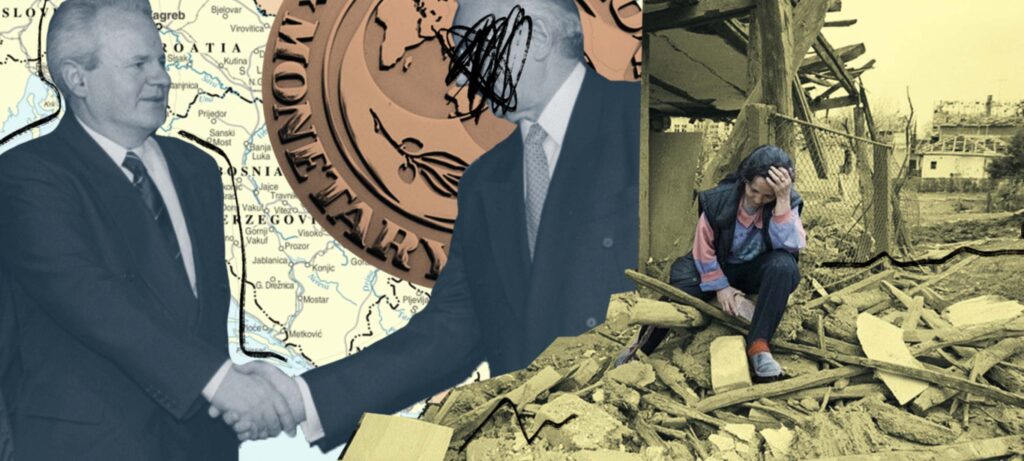
Yugoslavia was breaking up for a long time. It had more than 30 years of transition and the country had multiple wars: one in 1991, then another in 1995, 1999 and then the Kosovo struggles. For these reasons alone, Yugoslavia could provide a useful way to approach the question of war and the post-war […]
Should nuclear power plants be shut down? Between sustainability and political solutions
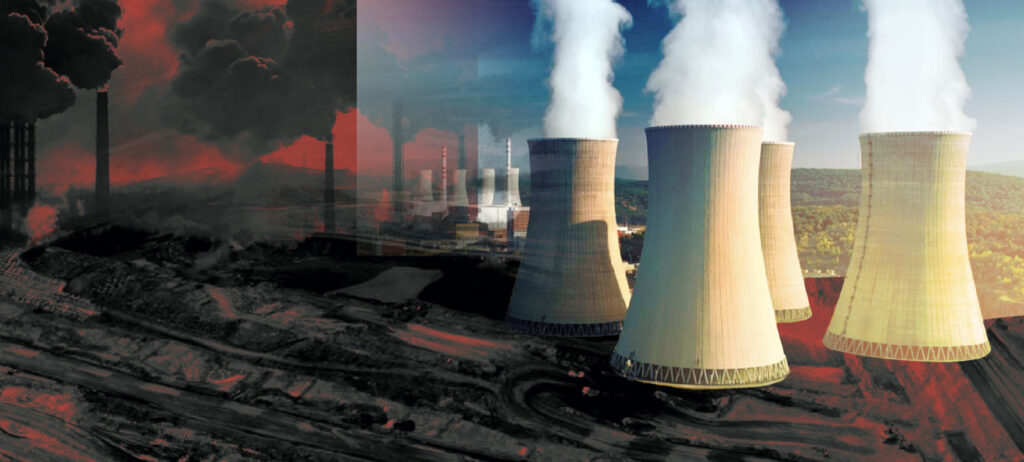
Not a lot of environmentalists support nuclear power. This is an obvious statement, and it may even be controversial to some environmentalists as being too soft on nuclear power. If you're "for nuclear", then obviously, you cannot be an environmentalist. And yet, there are some people who care deeply about the environment, who care about […]
Crise alimentaire: stop aux sanctions?

Le « tchernoziom » est un sol extrêmement fertile comportant un taux élevé de matière organique (5%) jusqu’à un mètre de profondeur, voire plus. Historiquement, ces « terres noires » ont donné à l’Ukraine sa réputation de « grenier à blé » de l’empire russe et de l’Europe. Dans le cadre de la mondialisation néolibérale, le grenier à blé est devenu […]
Who stands with Ukraine in the long term? On the invisible labour of Ukrainian migrant communities
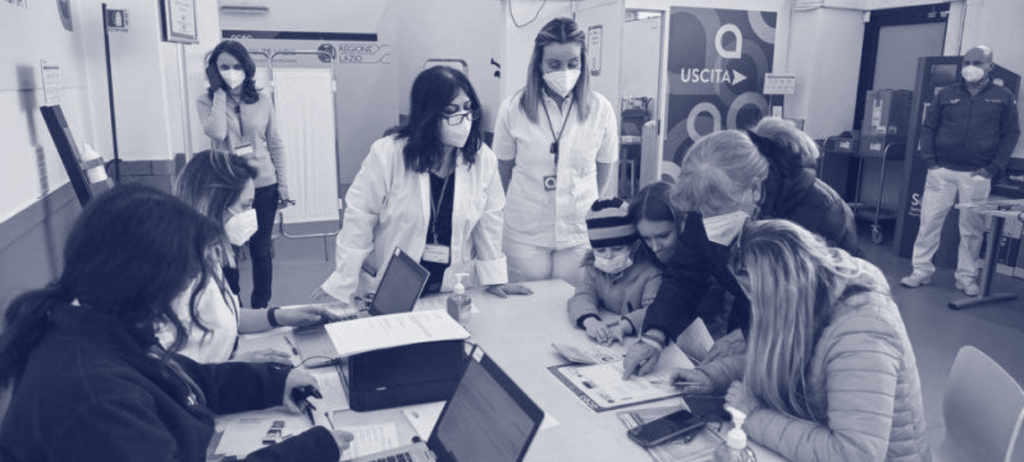
One of Warsaw’s major railway stations, working as an information point for Ukrainians fleeing Russia’s invasion, was full of people. It was early May, and the crowds had shrunk as the number of those crossing the Polish-Ukrainian border had decreased. Yet, there was a dire need for volunteers speaking Ukrainian and Russian ready to provide […]
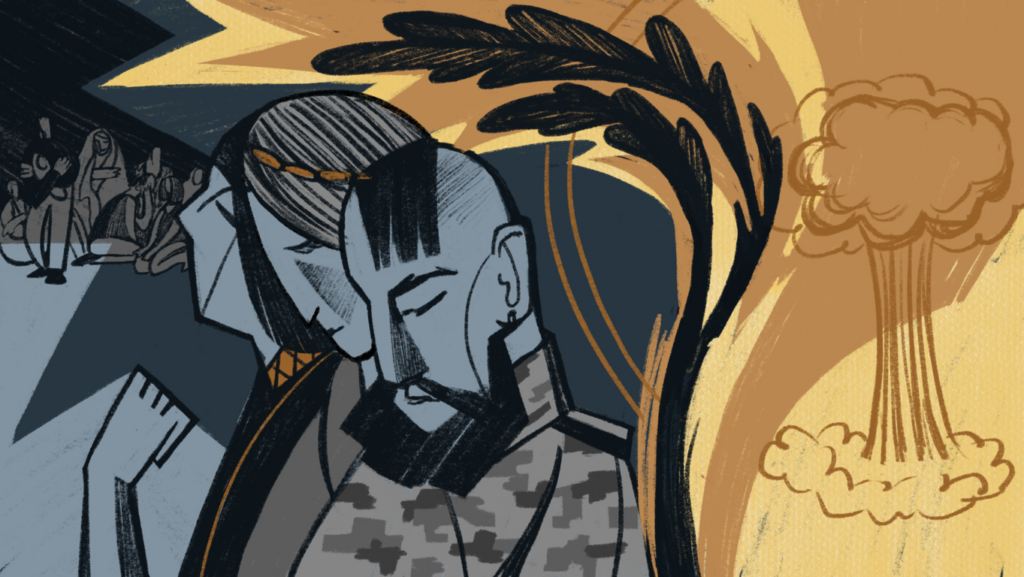
Military insubordination has saved the world from nuclear war several times. An interview with Hugh Gusterson

Hugh Gusterson is a British-American anthropologist and a professor at the University of British Columbia. Gusterson started his career with a two-year study of the personnel of the US nuclear arms laboratory in the mid-nineties. Since this work, he has continued writing for and about atomic scientists. Besides, Gusterson investigates contradictory social roles and objects […]
In the War: Nationalism, Imperialism, Cosmopolitics
For most questions that I am going to examine, I must confess that I have no ready answer. Even worse: in many cases, I fear that these answers do not exist. However, this cannot prevent us from seeking these answers, and before that finding the correct formulation for the questions themselves, with the help of […]

