
Organising for peace in Ukraine: an interview with Nina Potarska
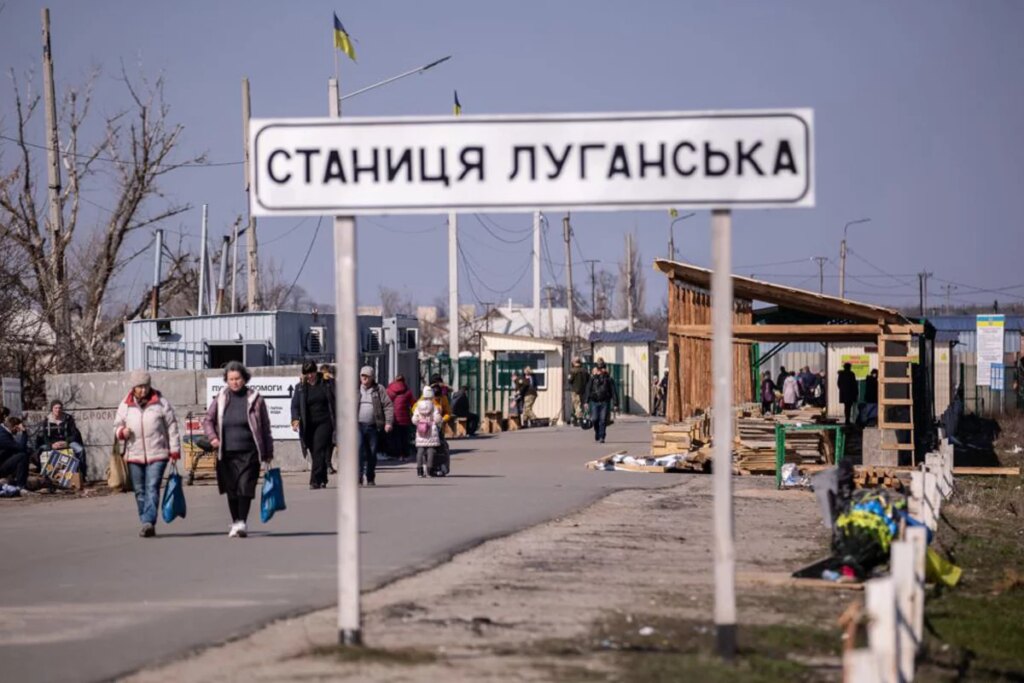
The war in eastern Ukraine is now in its sixth year. As the war has entered a “slower”, but no less deadly phase, attention, particularly in the west, has dropped off. Contributors to openDemocracy have sought to draw attention to a range of issues which tend to go unreported – activists trying to bridge the divide […]
Marko Bojcun: “We Moved From Ukrainian Nationalism To Radical Socialism, And Some Of Us To Trotskyism”

Maksym Kazakov: Marko, in Ukraine you were known as an excellent analyst of contemporary Ukrainian affairs—politics and socio-economic development. Now people have also come to know you as a historian and a researcher of the working class and the national question. But today I would like to ask you about your life and work as […]
Totalitarian tendencies in post-Maidan Ukraine
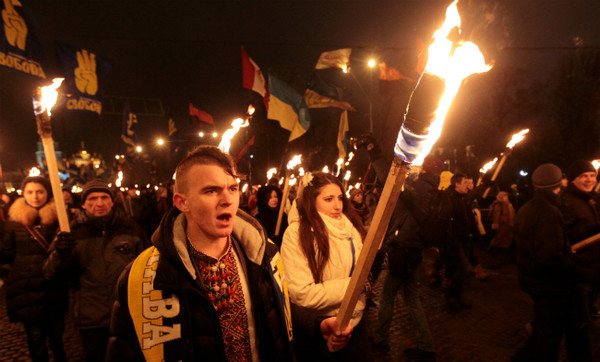
Volodymyr Chemerys Under Ukraine’s pre-Maidan criminal regime, any pressure on journalists used to provoke a wave of indignation. This indignation, which came from journalists, human rights defenders and civic activists themselves, even became a precursor to the first Maidan in independent Ukraine — the protests under the banner of “Ukraine without Kuchma”. Information about temnyky, […]
The causes of Ukrainian crisis
This article explores the origins of the Ukrainian crisis in several historical developments that came together in 2014. The first development, and the condition necessary for activating all the others, is the situation that has unfolded inside Ukraine itself since 1991 with the establishment of a new nation state simultaneously with the return of capitalism. […]
Nuclear war: more real than it seems
Recently, the American magazine “Vox” has published a lengthy article about the military conflict possible scenarios between the US and Russia. Interviewing a number of both Russian and Western military experts, the publication came up to a very disappointing conclusion – the conflict node will keep on lasting, which means that at some point the […]
Ukraine’s Fractures
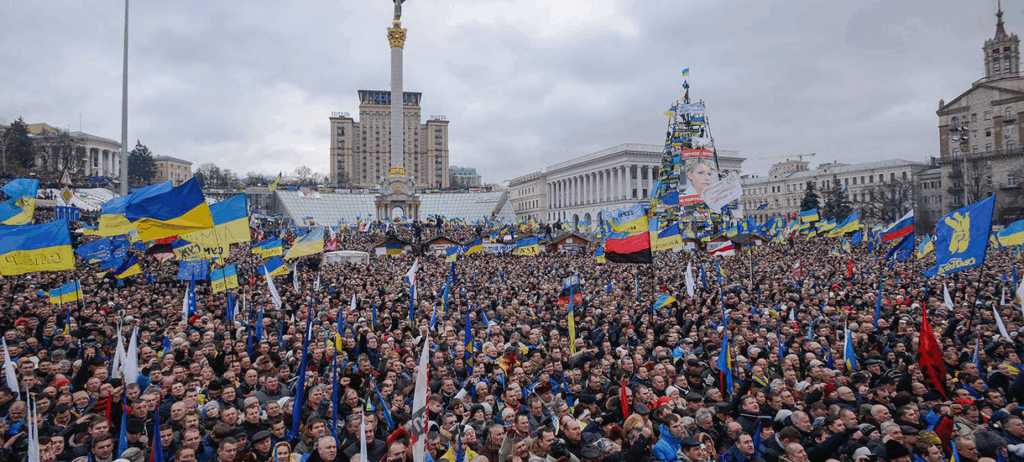
First published in: Ukraine’s Fractures. An interview with Volodymyr Ishchenko. In: New Left Review 87, May-June 2014 Since the start of the Maidan protests six months ago, Ukraine has been at the centre of a crisis which has exposed and deepened the fault-lines—geopolitical, historical, linguistic, cultural—that traverse the country. These divisions have grown through the […]
Three Sources of Ukraine’s “Freedom”: Nationalism, Xenophobia and the “Social Issue”
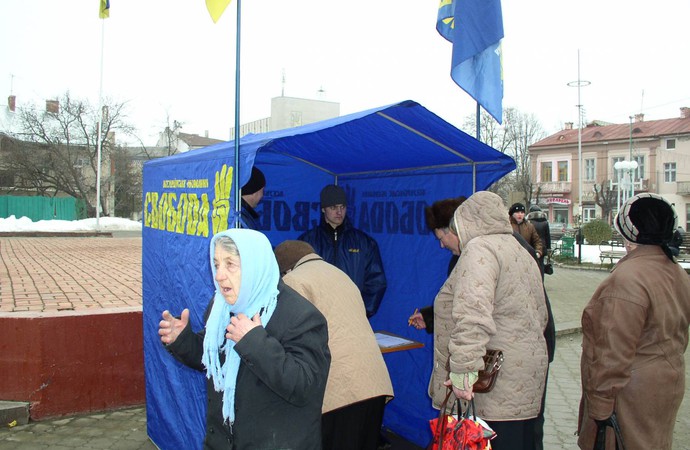
Vitaly Atanasov In the last three years, the popularity of Ukraine’s right-wing party Svoboda (Freedom) has seen an eightfold increase. At the moment, the party is supported by 6% of the country’s population, though it seems unlikely that anything might prevent the party overcoming the 3% level in the parliamentary election next year. Until 2004, […]
