
Against false solidarity. A call for true solidarity among people with experiences of displacement
Ideas discussed in this contribution were first presented at the Solidarity, Displacement & the University workshop that took place on October 13-14, 2022, in Berlin and focused on access programs for displaced learners, spaces of solidarity those programs create, and possibilities for opening up the university[1] (Cantat et al., eds. 2022) for people who have experienced displacement. I consider […]
Decentralization or Decapitation? Decentralization reform during the War in Donbas
Ukraine’s decentralization reform has been claimed as one of the country’s most successful since the 2013-2014 Maidan Revolution. Recently, an article in Foreign Affairs argued that Ukraine’s decentralization has ‘brought the country together’ in the face of Russia’s 2022 invasion, fostering political legitimacy, solidarity, and community pride. I offer a different perspective in my research […]
The Far Right in Ukraine
Taras Bilous is a Ukrainian historian, an editor of Commons: Journal of Social Criticism, and an activist in Sotsialniy Rukh (Social Movement). He is currently serving in the Ukrainian army. He was interviewed by Stephen R. Shalom, a member of the New Politics editorial board. Denys Pilash helped with the translation. New Politics (NP): How would you assess […]
The crisis of hegemony, imperialism and global security challenges
The end of the 20th century, marked by the fall of the Berlin wall, the end of the Cold War, and the defeat of “real socialism”, encouraged intellectuals to proclaim “the end of history”. It seemed to many people that overcoming the campist logic of military, political and economic blocs was a point of no […]
Citizenship and Exclusion in Contemporary Hungary
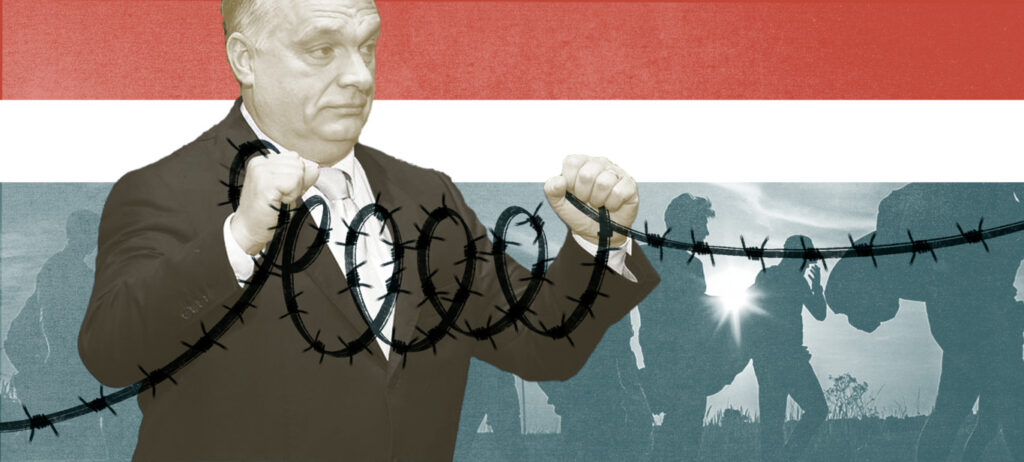
Since the so-called ‘migration crisis’ in 2015, Hungarian Prime Minister Viktor Orbán has become a key figurehead of an ultra-conservative and illiberal European right.[1] This politics is anchored in virulent anti-immigration positions and fierce discourses targeting the European Union (EU), which is pictured as incapable of “protecting Europe and its civilisation” from the “threat" […]
Who will Stay and Who Will Return? Divergent Trajectories of Ukrainian War Refugees in the EU
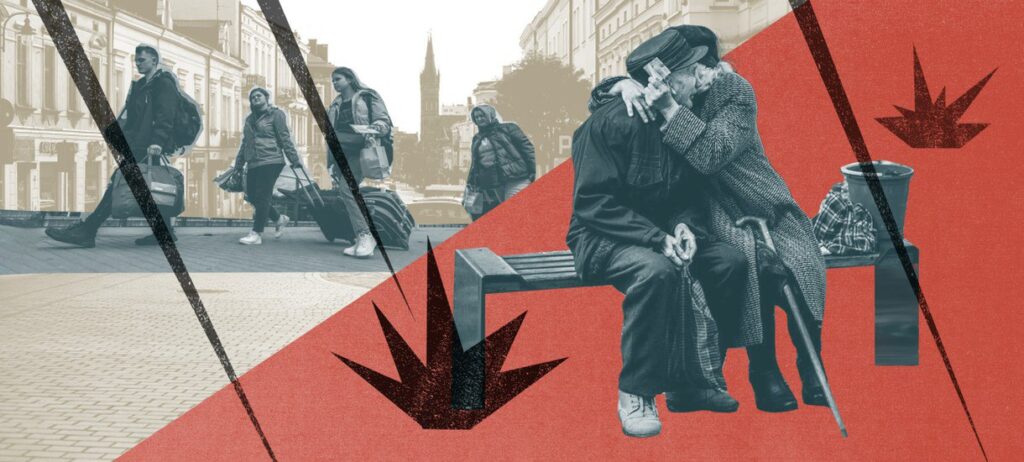
Russia’s full-scale invasion of Ukraine on February 24, 2022, took most Ukrainians by surprise. Many thought it was some kind of misunderstanding that could be resolved by political leaders’ negotiations within a matter of days or weeks. People fleeing their hometowns often had the intention of “waiting for things to settle down,” and very few […]
From ‘Bothsidesism’ to Solidarity with Ukraine: The Japanese Left Responds to the Russo-Ukrainian War
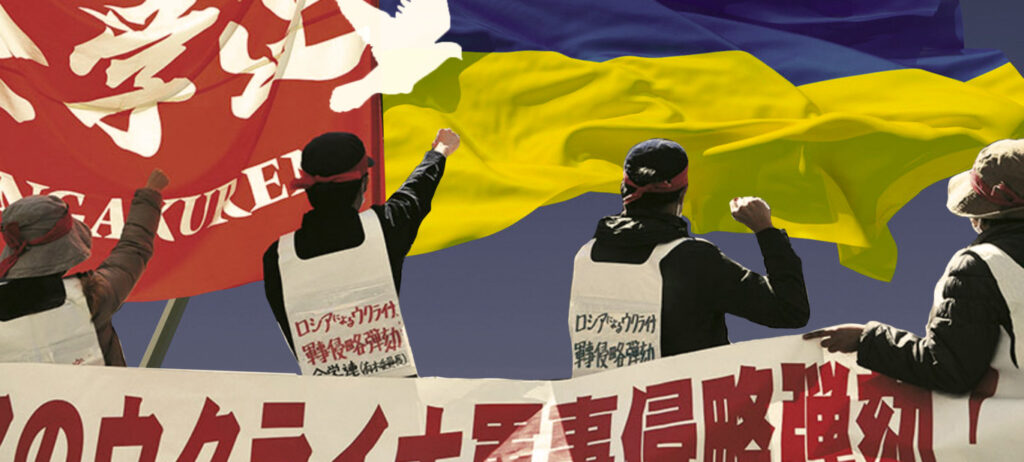
In May last year 28 German intellectuals published an open letter in the feminist journal Emma calling on Chancellor Gerhard Scholz to refrain from sending heavy weapons to Ukraine, and to help negotiate a ceasefire in the Russo-Ukrainian war. The letter expressed anti-war convictions dear to older German progressives, invoking Germany’s “historic responsibility” to […]
The resistance movement is being built on a scorched field. Conversation with DOXA, oppositional Russian media
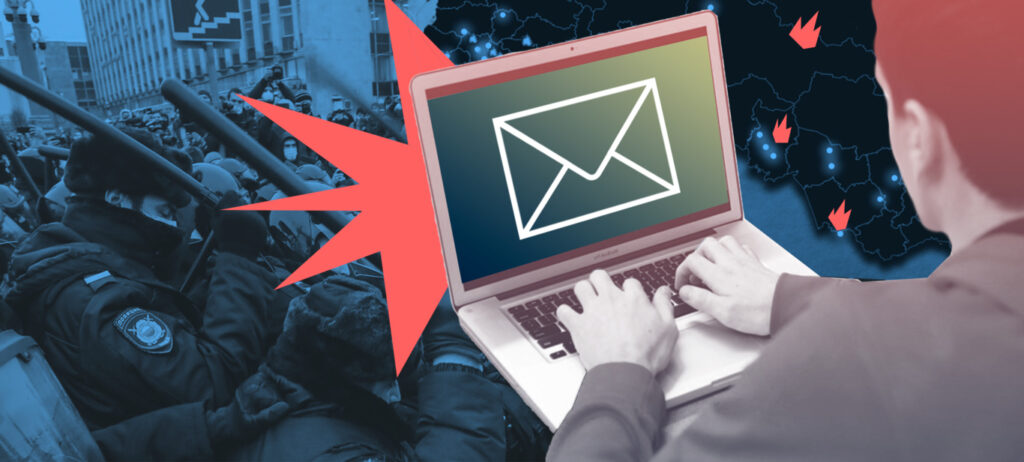
“Commons” spoke to three editors of DOXA. The initiative was founded six years ago as an activist student media. Besides the topics relating to educational justice, the collective focused on fighting propaganda and repression. Of course, such activism did not escape the regime’s attention, and four members of the editorial team were put under […]
No, privatisation should not be restarted after the war

On 9th November 2022 “Ekonomichna Pravda” organised a discussion with the deputy executive director of the IMF in Ukraine Vladislav Rashkovan and CEO Andrii Boitsun about the role of State Owned Enterprises (SOEs) in the post-war revival of Ukraine. This “role” turned out to be the liquidation of most SOEs. The main theses published […]
War and class: Lessons for Ukraine and Russia through the Lens of the Breakup of Yugoslavia
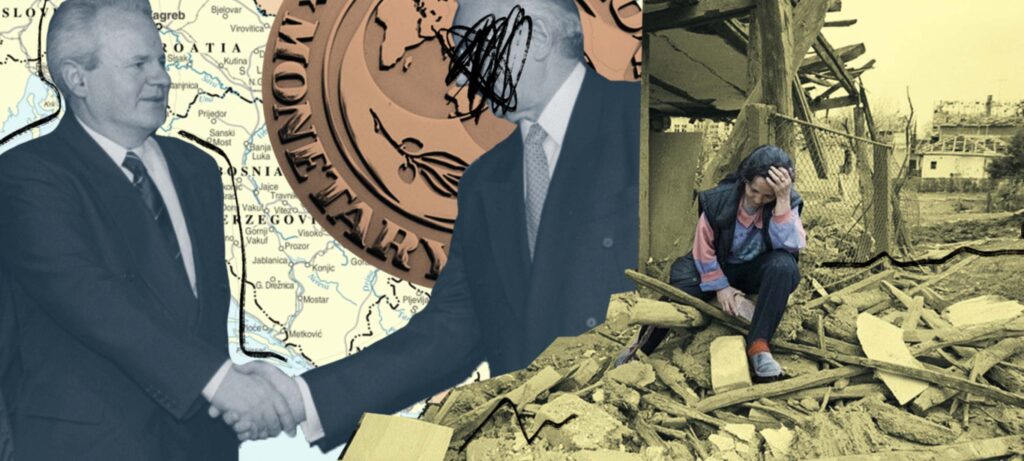
Yugoslavia was breaking up for a long time. It had more than 30 years of transition and the country had multiple wars: one in 1991, then another in 1995, 1999 and then the Kosovo struggles. For these reasons alone, Yugoslavia could provide a useful way to approach the question of war and the post-war […]

