
Kryvyi Rih: wages and democracy
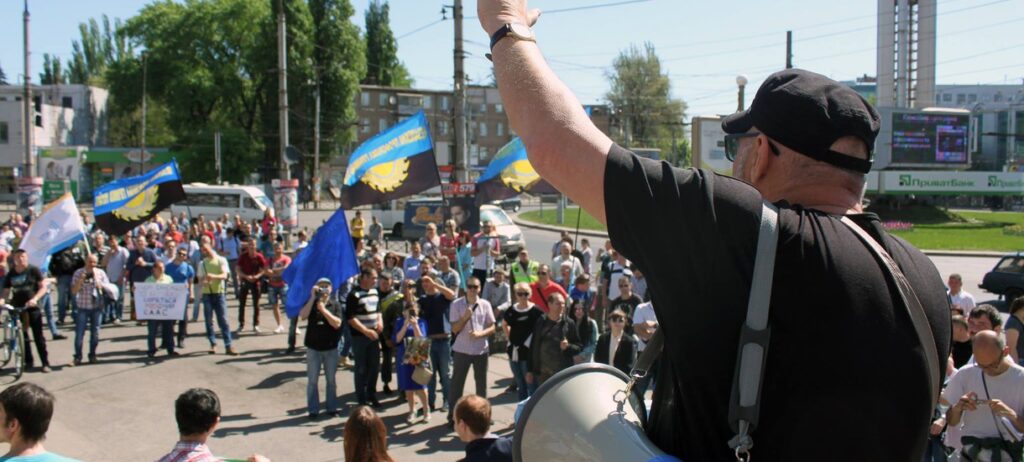
Maksym Kazakov Ukraine’s mining and metal industry was constructed largely in the era of fulfilled (and over-fulfilled) five-year plans. After Ukraine gained independence in 1991, these factories and mines played (and continue to play) no less a role than in the Soviet state. Today, every school student in Ukraine has to know about the shortcomings […]
Export of raw materials as a national idea and replenishing the state’s budget

Since the beginning of Ukraine’s independence, agriculture has been seen as the new backbone of the country’s economy. The fertility of ‘chernozem’ was supposed to provide the Ukrainian market with food products and, furthermore, accumulate resources for the development of other sectors of the economy. Indeed, the industry is steadily heading towards first place in […]
Will education save the world?
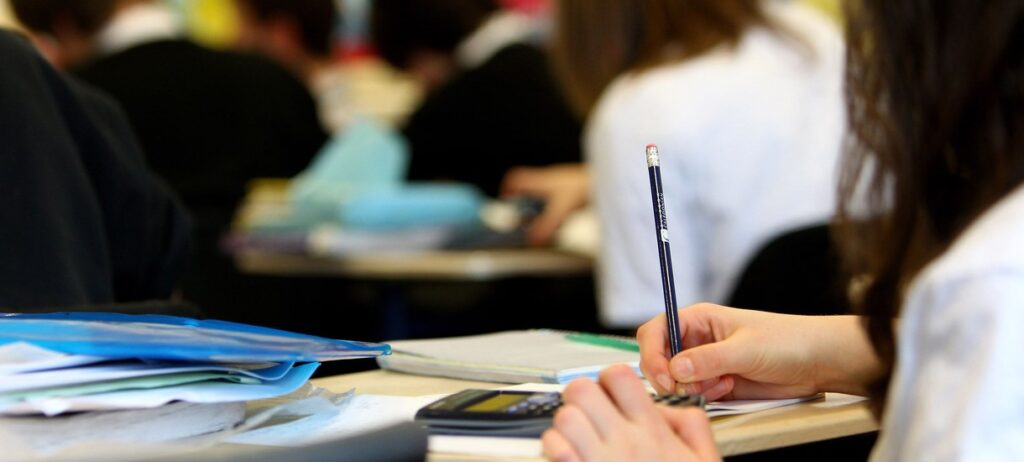
This article was written as part of the work of the economic department of Center for Social and Labor Research. “People get, for example, a degree in law, and then get a job at McDonalds. But they could have worked there before receiving their diploma, and the country could have saved 800 hryvnias on them.” […]
Totalitarian tendencies in post-Maidan Ukraine
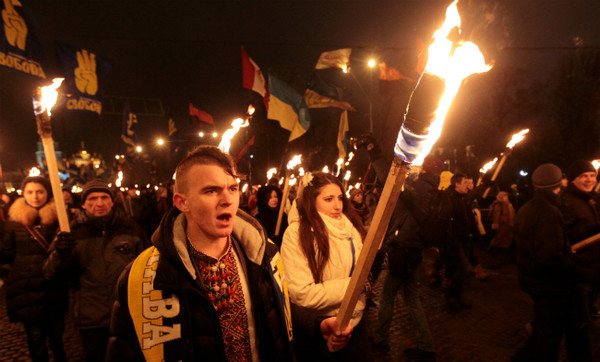
Volodymyr Chemerys Under Ukraine’s pre-Maidan criminal regime, any pressure on journalists used to provoke a wave of indignation. This indignation, which came from journalists, human rights defenders and civic activists themselves, even became a precursor to the first Maidan in independent Ukraine — the protests under the banner of “Ukraine without Kuchma”. Information about temnyky, […]
New technology and global inequality
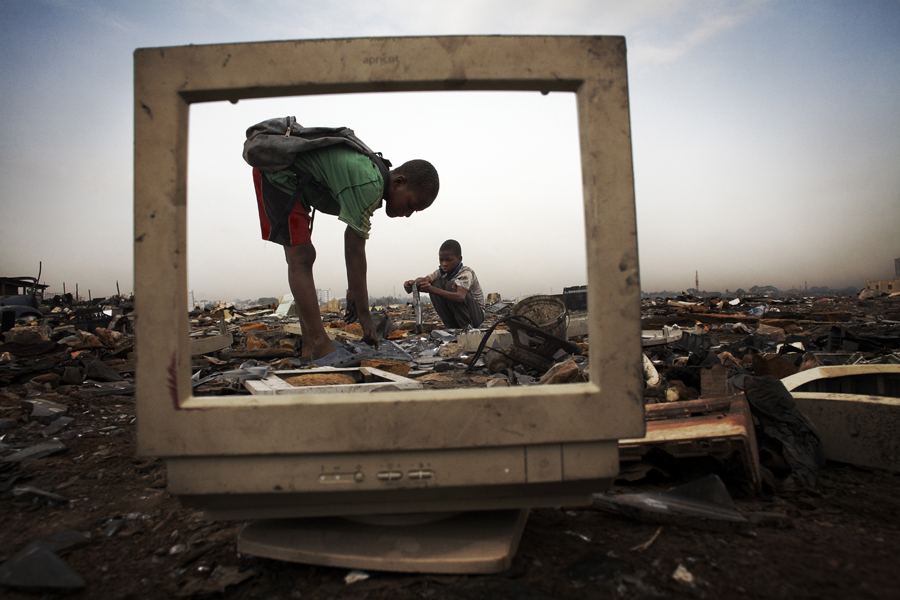
This article was written as part of the work of the economic department of Center for Social and Labor Research. New opportunities, old inequalities Factories without workers, bullet trains and subways without drivers, robot cleaners and smart houses, multifunctional gadgets and 3D printers, electronic marketing, freelancing and sharing economy[i]. Today’s world is getting closer to […]
European Association: two years later
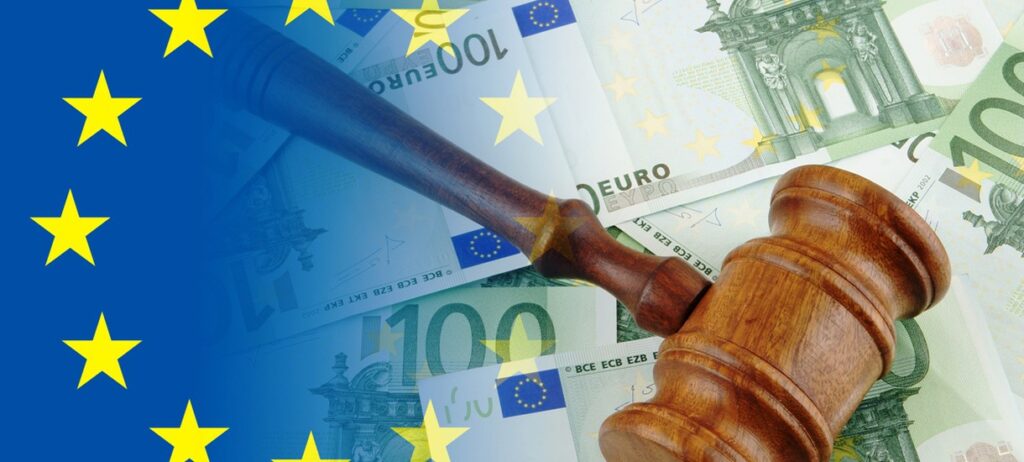
In our economic analysis of changes that are taking place in Ukraine since 2013, we need to pay special attention to the consequences of Ukraine’s free trade agreement with the EU. In this article we test the assumptions about economic threats to our country’s development, related to the unequal nature of the abovementioned agreement. We […]
Science, Crimea and prison bars: persecution of teachers and researchers
Aliona Liasheva, Viktoriia Muliavka The use of science and education for political purposes in Ukraine has become the norm. How has it happened and why is it a terrifying trend? The conference in Yalta For Ukrainian teachers, participation in a scientific event in Crimea resulted in dismissals and monitoring by The Security Service of Ukraine […]
Changes in the Ukrainian economy after the Maidan
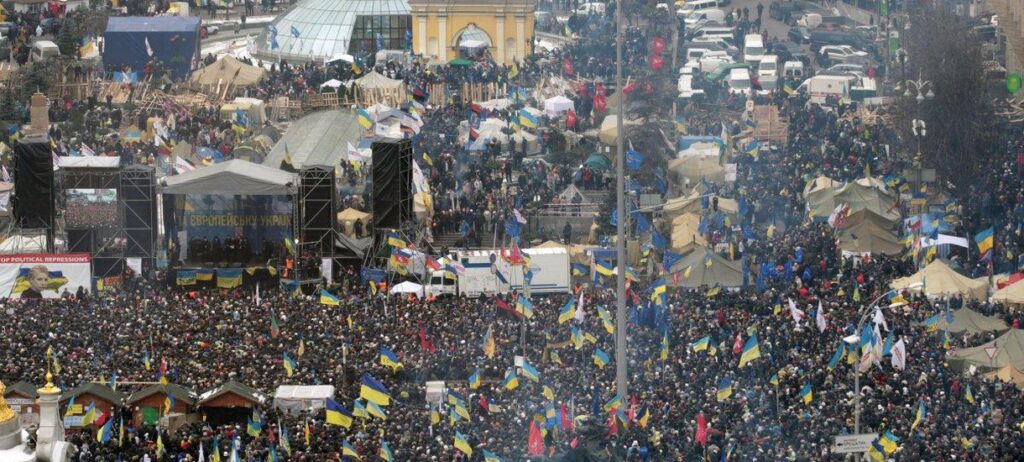
Those Ukrainians who feel optimistic, can celebrate the growth of the national economy. The State Statistics Service of Ukraine has finally reported that the gross domestic product exceeded the level of the first quarter of 2015 by 0.1%. This is a remarkable achievement, and the Ukrainian media are highlighting it as a confirmation of the […]
“We were not trying to ‘hide’ Marxism”: interview with Bhaskar Sunkara, editor of the Jacobin magazine

Jacobin is one of the most successful radical left-wing publications in the contemporary world and, for sure, the most successful one in the United States. Though the project was only started in September 2010, their online audience has reached 700 000 visitors a month for the online version and 15 000 subscribers of the printed […]
The Ukrainian Government as the Point of Balance between Domestic and Foreign Capital
This article was written a couple of months ago while the future of Ukrainian government was still unsure. I am happy to report that the ensuing events mostly confirmed my predictions: Groisman did take the seat of Prime Minister, Avakov and Petrenko entered the Cabinet and Yatsenyuk gained one more victory over the Parliament, forcing […]
