
Trade Unions, Deregulation, and Social Dialogue: An Interview with Vitaliy Dudin

Vitaliy Dudyn is one of those lawyers for whom the idea of fighting for justice defines his professional practice. This shouldn’t surprise us, as it is the foundation of any legal profession. However, what makes Vitaliy an outstanding lawyer is his understanding that achieving individual justice is impossible without a collective struggle for rights. As […]
Social Reproduction, Destruction and Adaptation: Care Infrastructure and Networks in Ukraine during the War
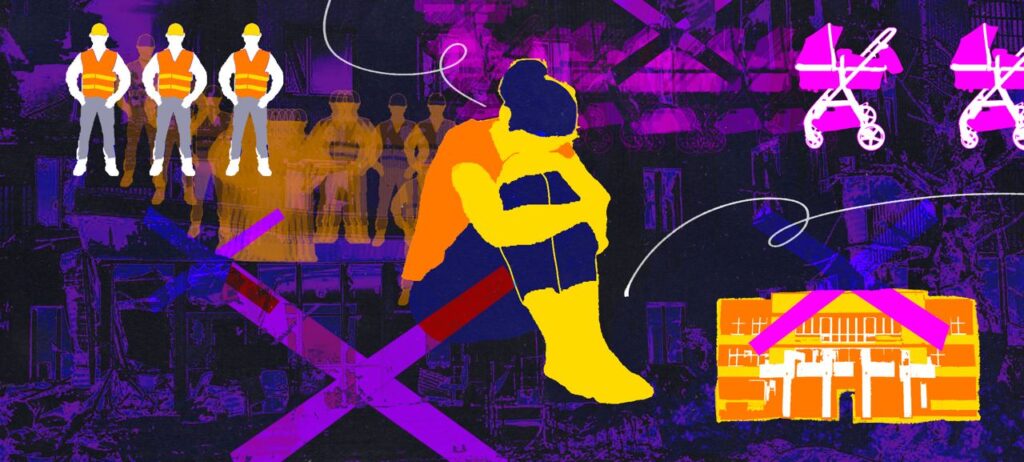
Russia’s full-scale invasion of Ukraine since February 2022, as well as both national and international policies to deal with the impact of the war, have surely influenced the spaces and networks of social reproduction, both in Ukraine and in refuge. The destruction and resulting displacement, neoliberal austerity, unprecedented border regulations, and refugee policies, have all […]
Commotion and Margin of Opportunity: How COVID-19 and the War Have Affected the Position of Nurses in Ukraine
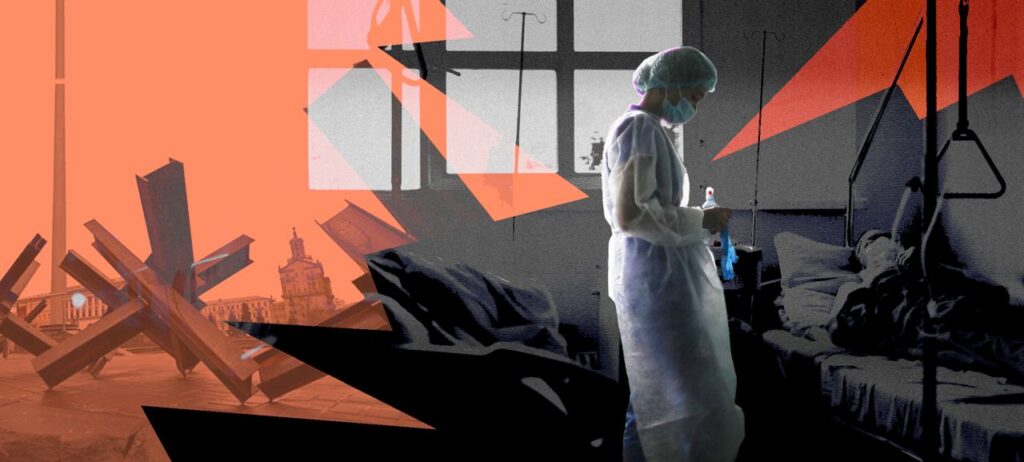
During the last few years, there have been two major shakeups in the Ukrainian healthcare system: COVID-19 and the full-scale Russian invasion. Both of these events have increased the demand for healthcare medical staff, as has increased the real risk to their lives. And yet, the majority of healthcare workers in Ukraine are nurses. According […]
2004 and on: ‘Oligarchic Democracy’ and Crises
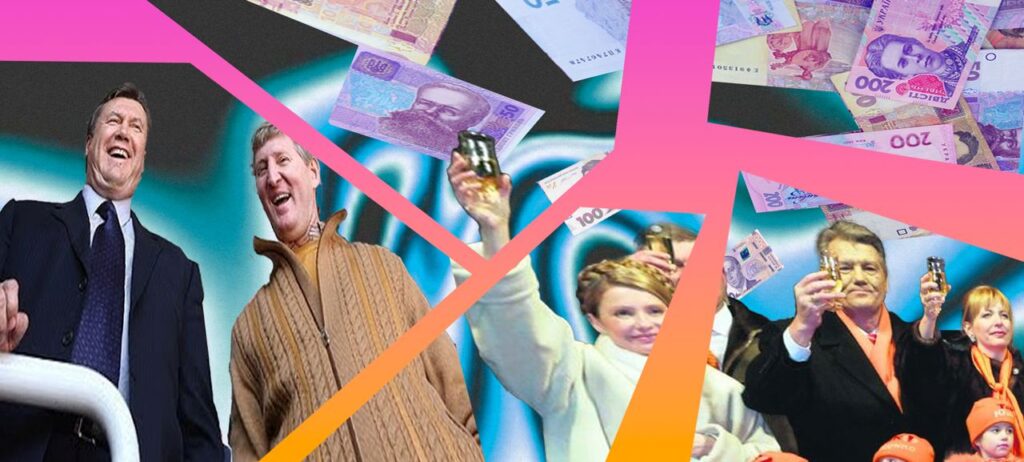
In this chapter of his book, The Making and Unmaking of the Ukrainian Working Class: Everyday Politics and Moral Economy in a Post-Soviet City, Denys Gorbach offers an overview of Ukraine’s politico-economic landscape. He puts the economic transformations over the last thirty years in the political and cultural context. The first part covers the 1990s […]
Ukrainian Political Economy: Property Regimes and Identity Cleavages
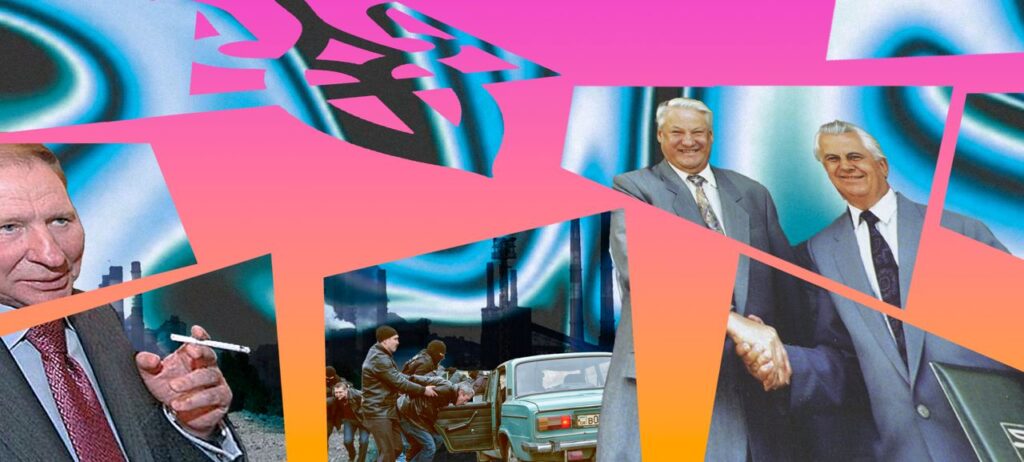
In this chapter of his book, The Making and Unmaking of the Ukrainian Working Class: Everyday Politics and Moral Economy in a Post-Soviet City, Denys Gorbach offers an overview of Ukraine’s politico-economic landscape. He puts the economic transformations over the last thirty years in the political and cultural context. The first part covers the 1990s […]
Land Reform and Agriculture in Ukraine During Wartime – Interview with Dr. Natalia Mamonova
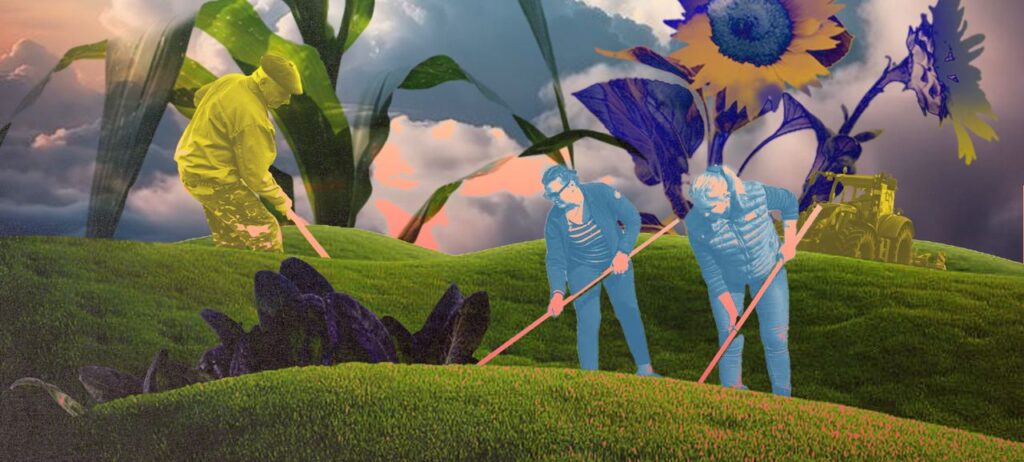
What is the state of agriculture during wartime in Ukraine? What effects does the land reform have on the future of the country? And what a socially and ecologically just approach to postwar recovery of agriculture can look like? We discuss these and other questions with Dr. Natalia Mamonova – Senior Researcher at RURALIS, Institute […]
What happened to Ukraine’s May 9, Victory Day? A discussion with Ukrainian historian Georgiy Kasianov

Since Ukraine's declaration of independence, there have been shifts in various policies concerning the observance of May 9, whether as Victory Day or Memorial Day. How was Victory Day marked during the tenures of the first two presidents, Leonid Kravchuk and Leonid Kuchma? Was there ongoing discourse regarding the commemoration and celebration of this occasion? […]
Notes of the Ukrainian conscripted civilian about the painful things
By the end of March, it was a year since I chose to leave my teaching and library work for the service in the Armed Forces of Ukraine. Therefore, I find it worthwhile to reflect a little bit on my personal "betrayals" and "victories", advantages and disadvantages, in other words to sum up the year. […]
Preventing schools and hospitals from being closed: how local communities forced the government to reckon with their interests

Reforms in education, healthcare, as well as the decentralization reform, have caused serious changes in the social sector, since the closure and “optimization” of a significant number of schools and hospitals was meant to be a part of these reforms, especially in rural areas. However, such unpopular changes can be successfully stopped when the community […]
Solidarity Is Our Weapon. What Do Left-Wing Activists in the Army Think
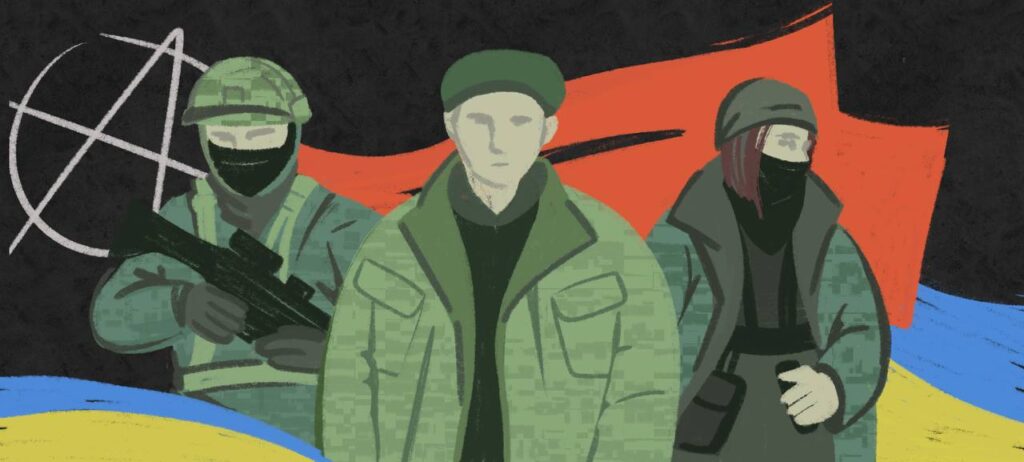
Two years ago on February 24 Russia launched a full-scale war against Ukraine. Ahead of this anniversary, we spoke with left-wing activists from Ukraine, Russia and Belarus who decided to join the ranks of the Ukrainian army. In these frank monologues, they shared personal stories about how they made decisions, how their understanding of Russian […]

